From independent tradespeople to established contracting businesses, the risks you face depend on the work you undertake, the people you employ, the equipment you use and the contracts you take on. Dixons helps you explore commercial insurance around your individual business.
A trades or contracting business can face a wide range of risks. You might work in customers' homes, on commercial premises or across construction sites. You may employ staff, use subcontractors, operate vehicles, own specialist tools or take responsibility for work in progress.
A self-employed electrician carrying out domestic work has different insurance considerations from a building contractor managing several projects and a team of employees. The right starting point is understanding what your business actually does.
We take time to discuss your activities, contracts and responsibilities before exploring the insurance options that may be suitable.
The covers below are common considerations for tradespeople and contractors. Not every business will need every cover, and availability depends on the work undertaken and insurer terms.
Consider protection against certain claims from customers, members of the public or other third parties involving injury or property damage arising from your business activities.
If you employ people, including eligible temporary or part-time staff, you may have legal responsibilities to insure against certain employee injury or illness claims.
Cover may be available for insured work in progress and materials associated with a contract while a project is being completed.
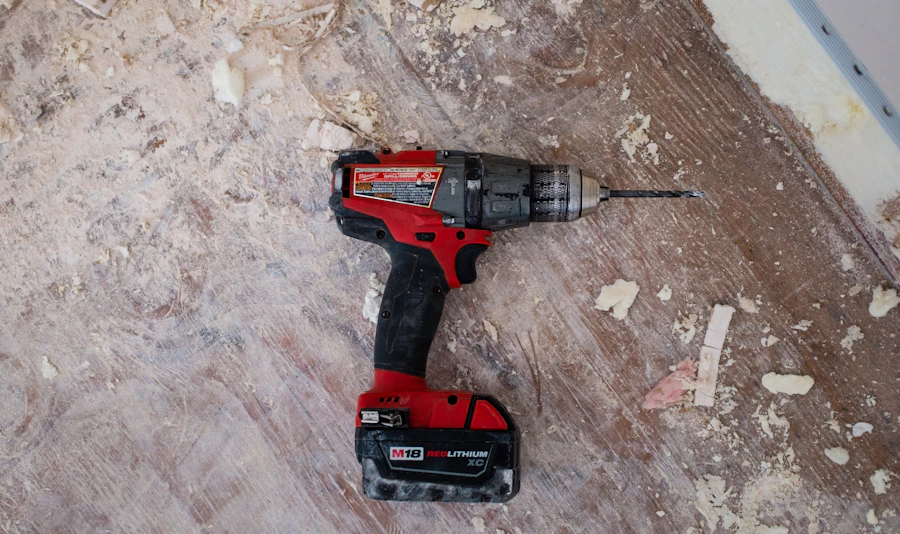
Your tools and equipment may be essential to earning a living. Consider cover for specified items against insured loss or damage.
Plant and machinery can represent a significant investment. Cover options may be available for equipment you own or hire, subject to the policy.
Vehicles used for work may need commercial motor insurance, with fleet arrangements worth considering as the number of vehicles grows.
May be relevant where your business provides design, specification, consultancy, drawings or professional advice as part of its services.
Depending on the policy, cover may help with certain financial losses and additional costs if insured damage interrupts your business.
Limited companies and businesses with directors may need to consider the personal exposures and management responsibilities that come with running an organisation.
Trades businesses increasingly rely on email, online banking, digital records and connected systems. Cyber cover may help with certain insured incident costs.
Legal expenses insurance may provide access to legal advice and cover for specified legal costs in defined circumstances.
For owner-operators and key members of a small team, personal accident cover may be worth considering if an injury prevents them from working.
Two businesses in the same trade can have very different insurance requirements. The work you undertake, the size of your contracts and how you operate all matter.
When reviewing your insurance, we'll want to understand the practical details of your business rather than relying on a broad trade description alone.
Explore some of the trade-specific insurance pages available from Dixons. If your work spans several areas or doesn't fit neatly into one category, speak to us about your activities.





We want to understand your business before exploring the options available.
We discuss your trade, activities, customers, contracts and how your business operates.
We look at employees, subcontractors, vehicles, tools, plant, premises and work in progress.
We consider suitable insurer options and explain the cover, limits, excesses, conditions and exclusions.
As your business changes, we can discuss whether your insurance arrangements need reviewing.
We believe commercial insurance is about more than arranging a policy. It's about understanding the work you do, the pressures you face and what matters to your business. You can speak directly with our team, arrange a visit or meet online through Microsoft Teams. We're here to help you review your cover as your business develops.
Some common questions from tradespeople and contracting businesses.
It depends on the work you undertake, whether you employ people, the equipment you use and your contractual responsibilities. Common considerations include Public Liability, Employers' Liability where required, tools and equipment, contract works and commercial motor. Some businesses may also need professional indemnity, plant, cyber or other specialist covers.
Public Liability Insurance is not generally a universal legal requirement for every trade, but customers, principal contractors or site operators may require it as a condition of working. The appropriate cover and limit depend on your activities and contractual requirements.
The position depends on the working arrangements and the legal status of the people engaged. Some subcontractors may be treated as employees for Employers' Liability purposes. You should explain your arrangements fully so the requirement can be considered correctly.
Cover may be available for specified tools and equipment against insured loss or damage. Check how the policy treats tools left in vehicles, overnight storage, unattended equipment, security requirements and single-item limits.
Contractors Combined is a type of policy arrangement that can bring together selected covers such as liability, contract works, tools and plant. The sections available and the cover provided depend on the insurer and the individual policy schedule.
Potentially, but insurers need to understand the type of work, site conditions, contract terms, heights, hot works, excavation, structural work and any other higher-risk activities. Tell your broker about the work you actually undertake and check that it is accurately described in the policy.
Premiums depend on factors such as trade, activities, turnover, wages, claims history, contract values, tools and plant, limits selected and the covers required. There is no single price that applies to every business.
Commercial vehicles can be insured separately or considered as part of a fleet arrangement, depending on the number and type of vehicles and the insurer's criteria. Visit our Fleet Insurance page or speak to us about your vehicles.
Important information: This page provides a general overview of insurance considerations for tradespeople and contractors and is not a recommendation or confirmation that any particular cover is available. The suitability, availability and cost of insurance depend on the individual business, its activities and the information provided to insurers. All cover is subject to the policy wording, schedule, terms, conditions, limits, excesses, endorsements and exclusions. It is important that all business activities, employees, subcontractors, contract requirements, tools, plant and vehicles are accurately disclosed.
Whether you're a sole trader, a growing trade business or an established contractor, tell us about your work and we'll help you explore the insurance options available.
From independent tradespeople to established contracting businesses, the risks you face depend on the work you undertake, the people you employ, the equipment you use and the contracts you take on. Dixons helps you explore commercial insurance around your individual business.
A trades or contracting business can face a wide range of risks. You might work in customers' homes, on commercial premises or across construction sites. You may employ staff, use subcontractors, operate vehicles, own specialist tools or take responsibility for work in progress.
A self-employed electrician carrying out domestic work has different insurance considerations from a building contractor managing several projects and a team of employees. The right starting point is understanding what your business actually does.
We take time to discuss your activities, contracts and responsibilities before exploring the insurance options that may be suitable.
The covers below are common considerations for tradespeople and contractors. Not every business will need every cover, and availability depends on the work undertaken and insurer terms.
Consider protection against certain claims from customers, members of the public or other third parties involving injury or property damage arising from your business activities.
If you employ people, including eligible temporary or part-time staff, you may have legal responsibilities to insure against certain employee injury or illness claims.
Cover may be available for insured work in progress and materials associated with a contract while a project is being completed.
Your tools and equipment may be essential to earning a living. Consider cover for specified items against insured loss or damage.
Plant and machinery can represent a significant investment. Cover options may be available for equipment you own or hire, subject to the policy.
Vehicles used for work may need commercial motor insurance, with fleet arrangements worth considering as the number of vehicles grows.
May be relevant where your business provides design, specification, consultancy, drawings or professional advice as part of its services.
Depending on the policy, cover may help with certain financial losses and additional costs if insured damage interrupts your business.
Limited companies and businesses with directors may need to consider the personal exposures and management responsibilities that come with running an organisation.
Trades businesses increasingly rely on email, online banking, digital records and connected systems. Cyber cover may help with certain insured incident costs.
Legal expenses insurance may provide access to legal advice and cover for specified legal costs in defined circumstances.
For owner-operators and key members of a small team, personal accident cover may be worth considering if an injury prevents them from working.
Two businesses in the same trade can have very different insurance requirements. The work you undertake, the size of your contracts and how you operate all matter.
When reviewing your insurance, we'll want to understand the practical details of your business rather than relying on a broad trade description alone.
Explore some of the trade-specific insurance pages available from Dixons. If your work spans several areas or doesn't fit neatly into one category, speak to us about your activities.
We want to understand your business before exploring the options available.
We discuss your trade, activities, customers, contracts and how your business operates.
We look at employees, subcontractors, vehicles, tools, plant, premises and work in progress.
We consider suitable insurer options and explain the cover, limits, excesses, conditions and exclusions.
As your business changes, we can discuss whether your insurance arrangements need reviewing.
We believe commercial insurance is about more than arranging a policy. It's about understanding the work you do, the pressures you face and what matters to your business. You can speak directly with our team, arrange a visit or meet online through Microsoft Teams. We're here to help you review your cover as your business develops.
Some common questions from tradespeople and contracting businesses.
It depends on the work you undertake, whether you employ people, the equipment you use and your contractual responsibilities. Common considerations include Public Liability, Employers' Liability where required, tools and equipment, contract works and commercial motor. Some businesses may also need professional indemnity, plant, cyber or other specialist covers.
Public Liability Insurance is not generally a universal legal requirement for every trade, but customers, principal contractors or site operators may require it as a condition of working. The appropriate cover and limit depend on your activities and contractual requirements.
The position depends on the working arrangements and the legal status of the people engaged. Some subcontractors may be treated as employees for Employers' Liability purposes. You should explain your arrangements fully so the requirement can be considered correctly.
Cover may be available for specified tools and equipment against insured loss or damage. Check how the policy treats tools left in vehicles, overnight storage, unattended equipment, security requirements and single-item limits.
Contractors Combined is a type of policy arrangement that can bring together selected covers such as liability, contract works, tools and plant. The sections available and the cover provided depend on the insurer and the individual policy schedule.
Potentially, but insurers need to understand the type of work, site conditions, contract terms, heights, hot works, excavation, structural work and any other higher-risk activities. Tell your broker about the work you actually undertake and check that it is accurately described in the policy.
Premiums depend on factors such as trade, activities, turnover, wages, claims history, contract values, tools and plant, limits selected and the covers required. There is no single price that applies to every business.
Commercial vehicles can be insured separately or considered as part of a fleet arrangement, depending on the number and type of vehicles and the insurer's criteria. Visit our Fleet Insurance page or speak to us about your vehicles.
Important information: This page provides a general overview of insurance considerations for tradespeople and contractors and is not a recommendation or confirmation that any particular cover is available. The suitability, availability and cost of insurance depend on the individual business, its activities and the information provided to insurers. All cover is subject to the policy wording, schedule, terms, conditions, limits, excesses, endorsements and exclusions. It is important that all business activities, employees, subcontractors, contract requirements, tools, plant and vehicles are accurately disclosed.
Whether you're a sole trader, a growing trade business or an established contractor, tell us about your work and we'll help you explore the insurance options available.
